What is a septic tank: Helmer Septic
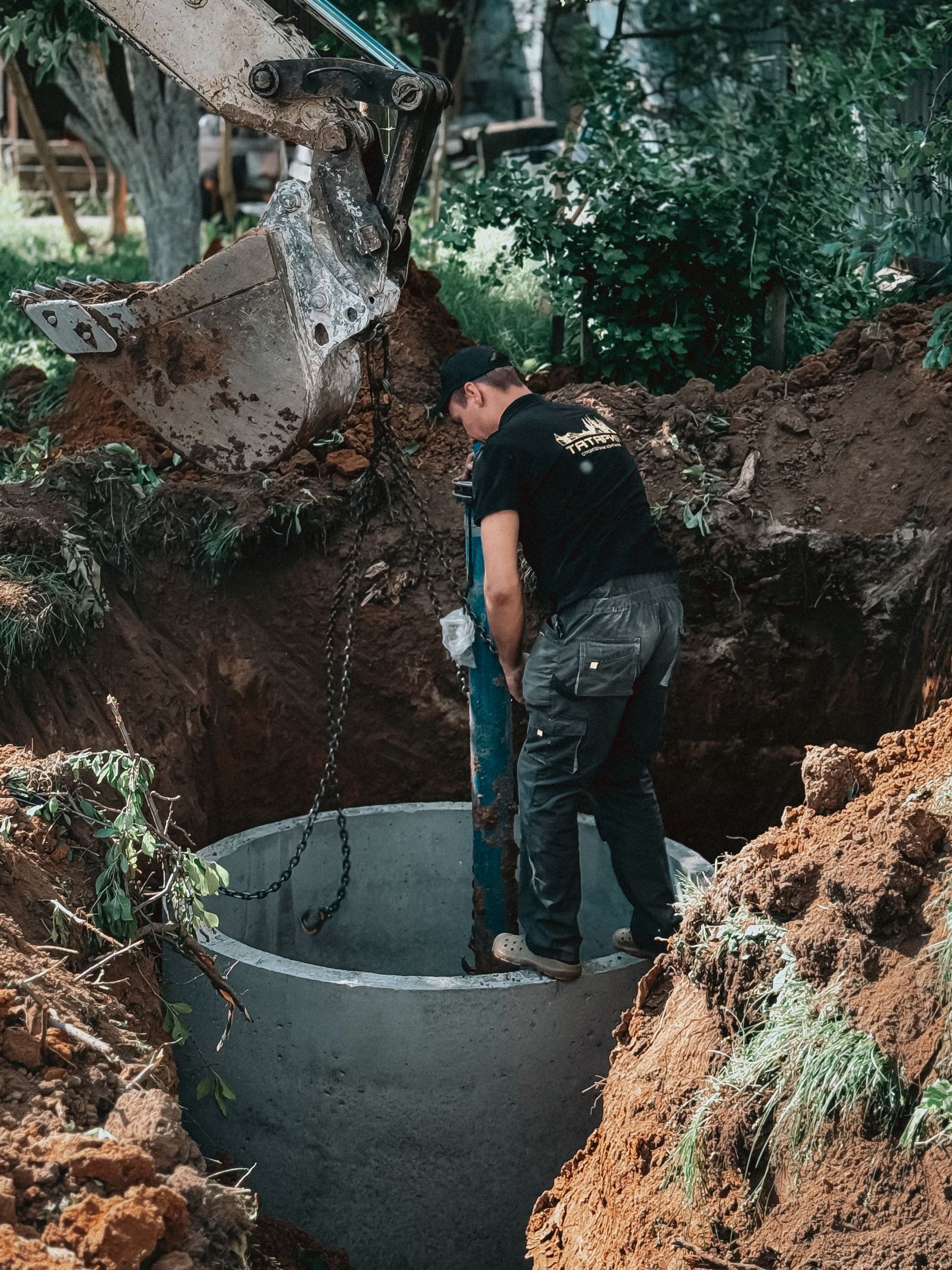
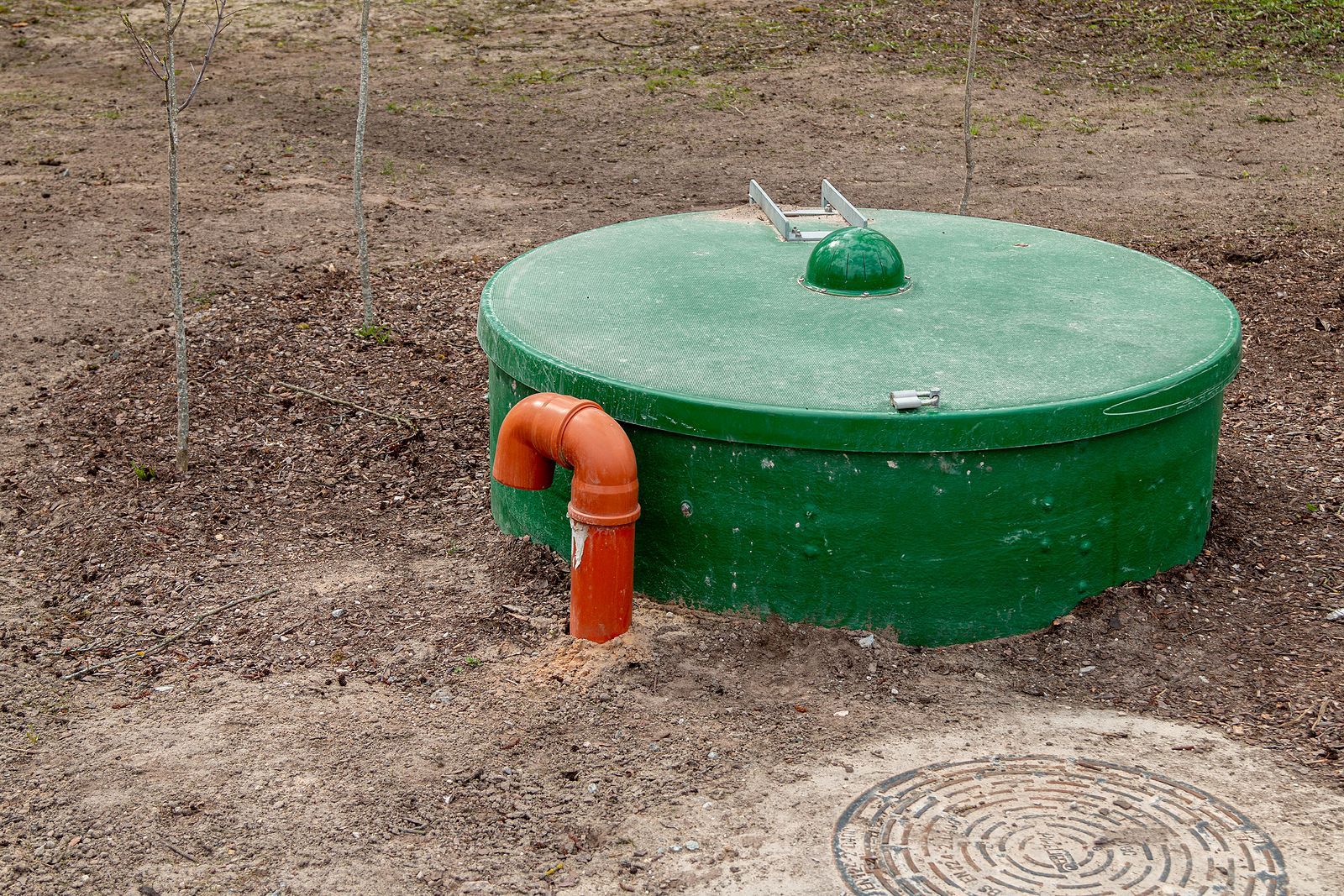
A septic tank is a vital component of private sewage treatment systems, designed for the collection and decomposition of wastewater from homes and businesses not connected to a public sewer system.
As an essential below-ground structure, it separates solid and liquid waste, employing beneficial bacteria to break down the solid matter and prevent it from entering the surrounding environment. Regular maintenance of a septic tank is crucial to ensure its proper functioning, which ultimately safeguards public health and reduces the risk of groundwater contamination.
In rural areas, septic tanks are indispensable as an effective, cost-efficient, and environmentally friendly solution to wastewater management, promoting sustainable sanitation practices.
Within the tank, naturally occurring bacteria work to break down solid particles, transforming them into sludge that settles at the bottom. Meanwhile, the lighter substances, such as oil and grease, rise to form a layer called "scum."
The liquid waste, or effluent, is then safely discharged through a drainage field to further filter and dissipate into the surrounding soil. Regular inspection and maintenance of a septic tank are crucial to ensure its proper functioning and longevity, as well as to prevent environmental contamination and potential health hazards.
What is the purpose of septic tank?
A septic tank serves as the core of an on-site wastewater treatment system for those who are not connected to a municipal sewer system. As a vital component for maintaining environmental balance and public health, septic tanks collect and break down waste coming from sinks, showers, toilets, and appliances.
Within these underground holding tanks, solid and liquid waste is separated and digested by natural bacterial processes. This treatment process reduces the volume of solids while purifying the effluent, ultimately allowing it to seep into the surrounding soil safely.
Hence, the purpose of a septic tank is to facilitate effective waste disposal and ensure limited contamination threats to our ecosystem by isolating harmful pathogens and preventing groundwater pollution.
The primary purpose of a septic tank is to provide an efficient method for treating and disposing of wastewater, while preventing the contamination of groundwater and protecting the environment.
This is achieved by separating solid waste from liquids in the tank, allowing naturally occurring bacteria to break down the solids into simpler compounds. The remaining liquid, or effluent, is then gradually released in a safe and controlled manner into a dedicated drainage field, ultimately returning clean water to the water table.
As such, a well-maintained septic system not only ensures proper sanitation, but also plays a key role in maintaining the health of ecosystems and water resources.
Parts of a Septic Sewage System
A septic sewage system is a vital component for homes and businesses in rural areas without access to centralized municipal services. The primary function of this system is to provide an efficient means for managing wastewater, ensuring environmental safety and sanitation.
In order to understand how this intricate network functions, it is important to be familiar with its various parts. Fundamental elements of a septic sewage system include the septic tank, which serves as a repository for wastewater and solids, facilitating the separation process.
Another key element is the drain field, which disperses liquid effluent into the soil for natural filtration, safeguarding against groundwater contamination.
Additionally, the system's maintenance and inspection procedures must not be underestimated, as neglecting these critical measures can have disastrous consequences.
By understanding the importance and integral aspects of a septic sewage system, property owners can ensure optimal operation and contribute to the overall welfare of their communities.
Conventional Septic System
A conventional septic system is a crucial component in managing wastewater for households and commercial properties that do not have access to municipal sewage systems. It is an efficient and eco-friendly solution that requires careful design, installation, and maintenance for best performance.
The system consists of two primary parts: the septic tank and the drain field. Wastewater from various sources, such as sinks, showers, and toilets, flows into the septic tank where solid waste settles and separates from the liquid portion.
Beneficial bacteria within the tank work to break down and decompose the solid waste, while the clarified liquid eventually flows out into the drain field. Here, further natural treatment occurs as the liquid percolates through the soil, promoting filtration and the removal of harmful pathogens.
Ultimately, a properly functioning conventional septic system safeguards the health of both humans and the environment by effectively treating and disposing of wastewater.
Contact Septic Specialists for Assistance
Helmer Septic is here to provide contact septic specialists with all the assistance they need. Our team of experienced technicians has the qualifications and expertise to handle all kinds of septic tasks so that home and business owners can have peace of mind.
Here at Helmer Septic, we specialize in residential and commercial septic services. Our team of contact septic specialists is here to assist homeowners and business owners with all their needs related to their septic systems.
From installations and repairs to regular maintenance, our experts are here to help get your system up and running correctly. With years of industry experience and customer service commitment, Helmer Septic is the best choice for all of your septic requirements.
At Helmer Septic, our team of highly skilled and experienced septic specialists is dedicated to providing you with the best service and assistance in maintaining and troubleshooting your septic system needs.
As a reputable and reliable service provider, we understand the importance of a well-functioning septic system for your property which is why we prioritize your concerns and offer timely solutions to ensure optimal septic performance.
Our professionals are equipped with the knowledge and tools necessary to accurately diagnose and effectively address any septic issues that may arise. When you choose to partner with Helmer Septic for your septic demands, you're investing in a partnership that prioritizes quality, professionalism, and customer satisfaction.
Whether it’s an inspection, repair, or installation, Helmer Septic is guaranteed to deliver quality service at competitive prices every time. If you are looking for contact septic specialists who you can trust, contact us now!