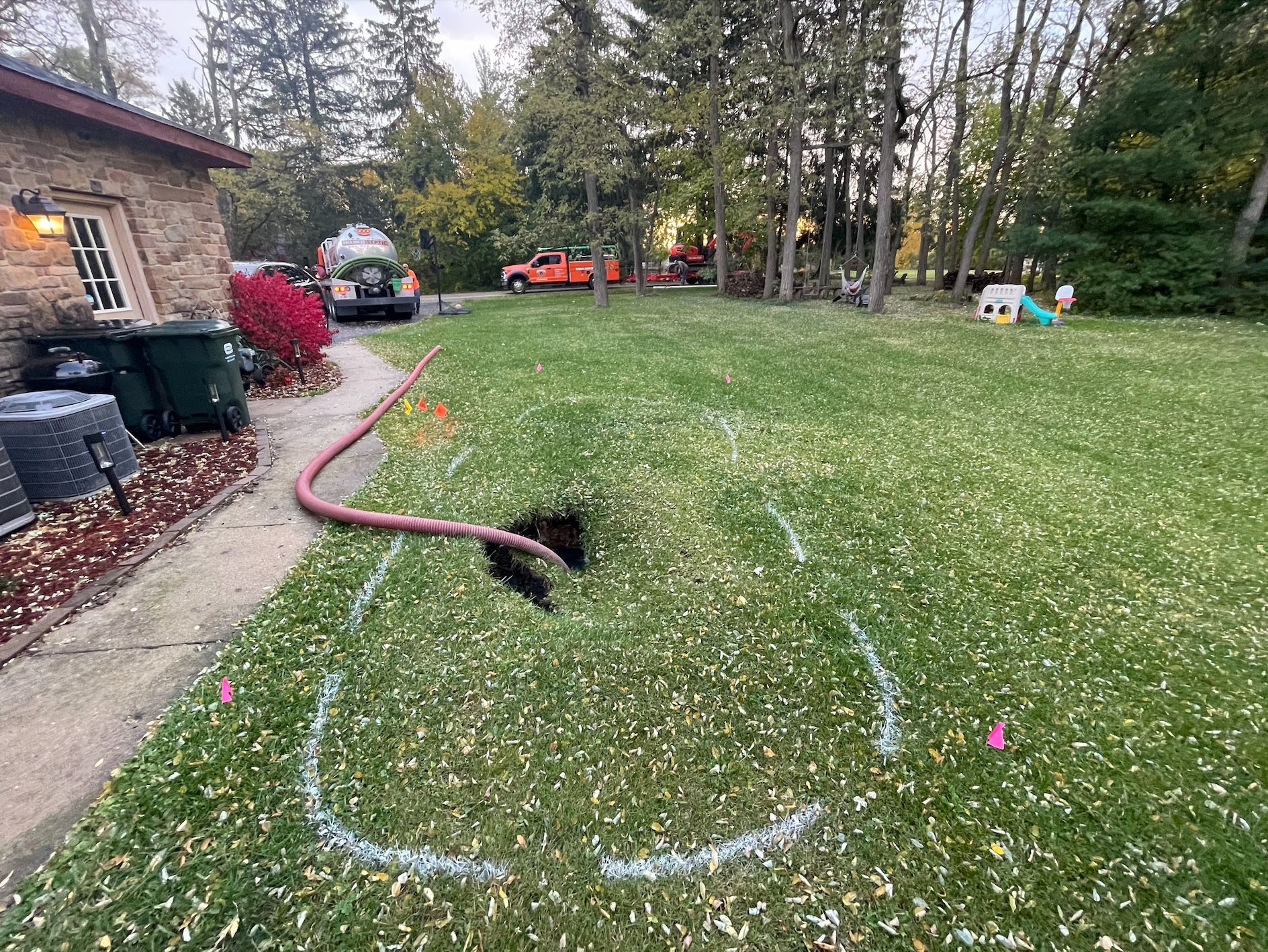
A septic tank is designed to collect and treat wastewater from your home, but it cannot make every solid disappear. Over time, waste accumulates inside the tank and must be professionally removed.


Because the tank is underground, homeowners may assume everything is working properly as long as their toilets flush and drains continue flowing. Unfortunately, an overdue septic tank may not show obvious symptoms until accumulated waste begins affecting the rest of the system.


Understanding what happens inside your tank can help you avoid sewage backups, drainfield damage, and unexpected repair costs.
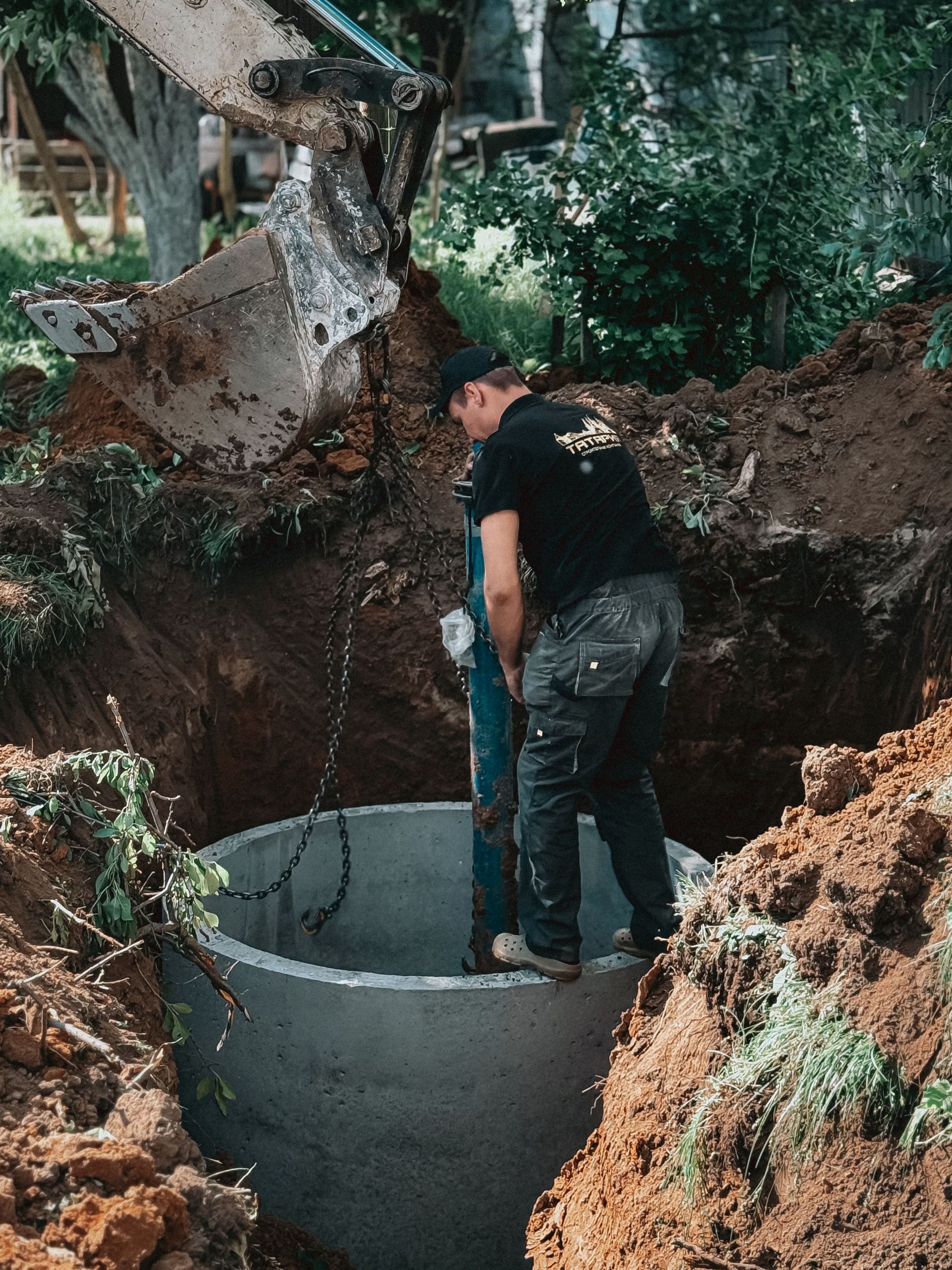
How Does a Septic Tank Work?

Every time you flush a toilet, run the washing machine, take a shower, or use a sink, wastewater travels from the house into the septic tank.

Inside the tank, the wastewater naturally separates into three layers:

  • Sludge: Heavy solids that settle at the bottom
  • Effluent: Liquid wastewater in the middle
  • Scum: Oils, grease, and lighter materials that float to the top

The liquid effluent leaves the tank and travels into the drainfield, where it is distributed through the soil for further treatment. Bacteria inside the tank help break down some organic material, but they do not eliminate all the sludge and scum.

As those layers grow, the tank has less available space to receive and process new wastewater. Septic pumping removes the accumulated material and restores the tank’s working capacity.

What Happens When the Tank Becomes Too Full?

An overdue septic tank can continue appearing functional for a while, but several problems may be developing underground.

Solids Can Enter the Drainfield

The septic tank is intended to keep most solids from reaching the drainfield. When sludge and scum levels become too high, waste can move through the outlet and enter the drainfield pipes.

These solids may clog the openings used to distribute wastewater into the surrounding soil. Once the drainfield becomes clogged, wastewater can no longer move through the system properly.

Pumping the tank removes waste from the tank, but it cannot necessarily reverse damage that has already occurred in the drainfield.

Household Drains May Slow Down

A full or poorly functioning septic tank can interfere with wastewater leaving the home. You may notice that sinks, showers, bathtubs, and toilets take longer to drain.

One slow fixture may indicate a plumbing clog. Multiple slow drains throughout the house may point to a larger problem involving the main sewer line or septic system.

Sewage Can Back Up Into the Home

If wastewater has nowhere to go, it can reverse direction and return through the lowest drains in the house. Sewage may appear in a basement drain, bathtub, shower, or toilet.

A sewage backup can damage flooring, walls, furniture, and personal belongings. It can also expose occupants to bacteria and other contaminants. Avoid direct contact with wastewater and contact a septic professional if a backup occurs.

Wastewater May Surface in the Yard

A struggling septic system may cause standing water or damp soil near the tank or drainfield. The area may also develop a sewage odor or unusually green, spongy grass.

Bright grass may look healthy, but concentrated growth over the drainfield can indicate that wastewater is reaching the surface instead of being treated below ground.

Keep children and pets away from any area where sewage may have surfaced.

Can a Septic Tank Be “Too Full” Even When the Plumbing Works?

Yes. A septic tank normally stays filled with liquid to its operating level, so the word “full” can be confusing.

Pumping is not necessary simply because the tank contains liquid. The concern is the amount of accumulated sludge and scum. If these solid layers take up too much space or move too close to the outlet, the tank should be pumped.

This is why opening the lid and seeing liquid does not tell a homeowner whether pumping is necessary. A septic professional can examine the tank, measure the solid layers, inspect accessible components, and recommend service based on its actual condition.

How Often Should a Septic Tank Be Pumped?

The U.S. Environmental Protection Agency notes that household septic tanks are generally pumped every three to five years. That is a guideline—not a schedule that fits every property.

Your tank may require more frequent service based on:

  • The number of people living in the home
  • The septic tank’s size
  • Daily household water usage
  • The amount of solids entering the system
  • Whether you use a garbage disposal
  • The age and condition of the system
  • The presence of pumps or mechanical components

A smaller tank serving a large family may accumulate solids faster than a larger tank serving one or two people. Homes with alternative septic systems may also require more frequent inspections.

A qualified septic service provider can evaluate your usage and help establish a practical maintenance schedule.

Does Septic Tank Additive Replace Pumping?

No. Products advertised as septic cleaners, treatments, or bacterial boosters do not eliminate the need for professional pumping.

The EPA states that septic additives are not necessary for a properly functioning residential system and cautions that some products may reduce drainfield performance. Even when bacteria break down part of the organic waste, solids still accumulate and must eventually be removed.

Be cautious of any product claiming that a septic tank will never need pumping.

Warning Signs Your Septic System Needs Attention

Do not wait for a complete backup before requesting service. Contact a septic professional if you notice:

  • Several slow drains inside the home
  • Toilets that flush poorly
  • Gurgling plumbing
  • Recurring drain problems
  • Sewage odors indoors or outdoors
  • Standing water near the septic system
  • Damp or spongy soil over the drainfield
  • Unusually green grass in one concentrated area
  • A septic alarm sounding
  • Sewage backing up through a drain

These signs do not always mean the tank only needs pumping. A blocked line, failed pump, damaged baffle, or drainfield problem can produce similar symptoms. A professional evaluation is necessary to identify the cause.

What Happens During Septic Pumping?

During a septic pumping appointment, the service technician locates and accesses the tank. Specialized equipment removes the liquid, sludge, and scum through the tank opening.

The technician may also examine accessible components and look for concerns such as damaged lids, leaks, corrosion, or unusually high waste levels. The condition of the tank can provide useful information about the overall health of the system.

Homeowners should keep a record of the service date and any observations or recommendations. Maintenance records make it easier to plan future pumping and can be useful when selling the property.

Never attempt to enter a septic tank. Tanks can contain toxic gases and present serious safety hazards.

Routine Pumping Helps Protect the Entire System

The purpose of septic pumping is not simply to empty the tank. It helps prevent solids from reaching the drainfield, reduces the likelihood of a backup, and gives a septic professional an opportunity to identify visible concerns.

Helmer Septic provides septic tank pumping, repairs, replacements, installations, and maintenance throughout Cary, McHenry County, Lake County, Cook County, Kane County, and nearby communities.

If you do not know when your tank was last pumped—or you are already noticing warning signs—contact Helmer Septic for a professional evaluation and free estimate. Call 224-888-POOP to schedule septic service near Cary, Crystal Lake, McHenry, Woodstock, Barrington, Lake Zurich, Huntley, Algonquin, or a surrounding Illinois community.

Wet leaves on a black metal septic grate over mossy ground.
By Aaron Helmer • September 1, 2026
Prepare your septic system for colder weather with practical fall maintenance tips from Helmer Septic, serving Cary, McHenry County, and nearby Illinois communities.
October 8, 2025
Preparing Your Septic System for Winter in Cary, IL When temperatures drop in Cary, IL, homeowners start thinking about winterizing sprinklers, sealing driveways, and cleaning gutters — but there’s one system that’s often overlooked: your septic system. Cold weather, frozen ground, and heavy snow can cause septic issues that lead to backups, odors, or system failure.At Helmer Septic, we’ve helped countless Illinois homeowners prevent winter septic problems through smart preparation and professional service. If you’ve been searching “septic maintenance near me” or “winter septic prep near you,” here’s what you need to know. 1. Pump Before the Freeze If your tank is close to full, cold weather can make it harder for bacteria to process waste efficiently. The best time to schedule septic tank pumping in Cary, IL is before the first deep freeze. Regular pumping ensures solids don’t build up and prevents system overload during the winter months when the ground is frozen and repairs become difficult. Searching “septic pumping near me” this time of year? Helmer Septic’s local team can get you on the schedule quickly before the cold hits. 2. Insulate Your Septic System A frozen septic line can stop everything in its tracks. Insulating your system — especially around the tank and drainfield area — helps protect it from freezing temperatures. You can use straw, mulch, or a light layer of leaves over the drainfield (without compacting it). Avoid heavy materials or parking vehicles over it, which can compress the soil and block airflow. If you’re not sure how to protect your system, our septic maintenance and repair experts near you in Cary, IL can inspect your setup and give you a winter-readiness plan. 3. Watch for Signs of Freezing Winter septic problems aren’t always dramatic. Here are a few early signs your system may be struggling: Slow-draining sinks or tubs Gurgling sounds from plumbing Foul odors near drains or outside Standing water or frozen ground above your tank If you notice any of these, it’s time to call Helmer Septic in Cary, IL for a professional inspection. We handle septic repairs near me fast — even in cold weather. 4. Schedule Preventive Maintenance The best way to avoid winter issues is through regular septic maintenance near you. Our technicians check baffles, lids, and filters to make sure everything’s sealed tight and working properly before the deep freeze sets in. If you have an aeration system, we’ll make sure your blower and air lines are protected from moisture and ice. A small tune-up now can prevent big problems later. 5. Protect Commercial Septic Systems Too If you own a business in Cary, Crystal Lake, or Algonquin, don’t forget your commercial septic system. Frozen lines or backed-up tanks can shut down your operation in the middle of your busy season. Our commercial septic services near you include inspections, pumping, and maintenance programs tailored for restaurants, offices, and industrial properties — all designed to prevent downtime. Why Winter Prep Matters Cold temperatures can slow down bacterial activity inside your tank, cause pipes to freeze, and even create blockages in the drainfield. Preventive care not only protects your home or business but also saves money — emergency repairs in frozen ground can be costly and time-consuming. By investing in winter septic maintenance now, you’ll enjoy: Fewer unexpected clogs and backups Better year-round performance Longer system lifespan Peace of mind during Cary’s coldest months Schedule Your Winter Septic Service in Cary, IL Winter-proof your septic system before it’s too late. Call Helmer Septic today for septic maintenance, repair, or pumping in Cary, IL , and surrounding communities. We proudly serve Cary, IL , Crystal Lake , Fox River Grove , Algonquin , and all nearby areas with professional, family-trusted service. Visit www.helmerseptic.com or call 224-888-POOP to schedule your winter septic service near me today.
October 8, 2025
How to Keep Your Septic System Running Strong in Cary, IL If you live in Cary, IL, you know that a reliable septic system isn’t just a convenience — it’s essential. At Helmer Septic, we’ve been proudly serving homeowners and businesses across McHenry County, Lake County, and surrounding Illinois communities for years. From septic installation near you to routine septic tank pumping near me and system repairs, our goal is to help Cary residents avoid costly surprises and keep their systems running smoothly year-round. Here’s how you can extend the life of your system and why regular professional service matters. 1. Schedule Regular Septic Tank Pumping in Cary, IL Even the best septic systems fill up over time. Routine septic tank pumping near you keeps your system healthy and prevents backups into your home or yard. For most homes in Cary, we recommend pumping every 3–5 years, depending on household size and water usage. When you call Helmer Septic in Cary, IL, our team will inspect your tank, remove solids safely, and make sure everything is flowing the way it should — keeping your property sanitary and stress-free. If you’ve been searching online for “septic tank pumping near me” or “septic cleaning near you”, we’re your trusted local experts. 2. Choose Professional Septic System Installation Building a new home or replacing an old system in Cary? Our septic system installation services near me are customized for local soil conditions and Illinois environmental codes. We’ll help you select the right system size, placement, and materials to ensure efficiency and longevity. Every installation includes precision excavation, quality components, and thorough post-install inspection — all done by licensed professionals who understand Cary’s unique soil and weather patterns. 3. Don’t Wait to Fix Small Problems – Call for Septic Maintenance & Repair Many homeowners don’t realize that small septic issues — like slow drains or unpleasant odors — can quickly become major problems. That’s why we offer full septic maintenance and repair services near you in Cary, IL. Our technicians can replace baffles, repair cracked lids or pipes, clean filters, and restore drainfield performance before costly damage occurs. Regular maintenance is the key to avoiding emergency repairs and keeping your system reliable. If you’re looking for “septic repair near me” or “septic service near you”, Helmer Septic is always nearby with fast response times and trusted expertise. 4. Improve Efficiency with Septic Aeration Services If your system is struggling, septic aeration services in Cary, IL can restore balance and extend its lifespan. Helmer Septic installs and maintains aeration units that boost bacterial activity and improve wastewater breakdown — a great option for older systems near you that need improved performance. Aeration also helps reduce odors and improve system efficiency in high-water-use households and commercial properties. If you’ve been searching “septic aeration near me”, our Cary-based team can assess your system and recommend the right solution. 5. Septic Solutions for Businesses in Cary, IL Commercial properties have unique wastewater needs, and Helmer Septic’s commercial services are designed to handle them safely and efficiently. From restaurants and offices to manufacturing facilities, we manage installation, pumping, and ongoing maintenance to keep your system compliant and running properly. If your business in Cary, Crystal Lake, Fox River Grove, or Algonquin relies on a septic system, contact us for commercial septic service near you — we’re the local experts business owners trust. 6. Local Tips: How to Protect Your Septic System Year-Round Living in Cary, IL, means dealing with a mix of heavy rains, freezing winters, and humid summers — all of which can affect your septic system. Follow these simple tips to keep your system in top shape: Spread out laundry and water-heavy chores throughout the week Never flush wipes, hygiene products, or grease Keep vehicles, sheds, and patios off your drainfield Schedule regular pumping and inspection Fix leaks right away to avoid overloading your system If you need “septic maintenance near me” or simply want peace of mind that your system is working properly, Helmer Septic has you covered. Why Cary, IL Homeowners Trust Helmer Septic Local expertise – We understand Cary’s soil, codes, and drainage patterns. All-in-one service – Installation, pumping, maintenance, repair, aeration, and commercial services near you. Licensed and experienced – Our technicians bring decades of hands-on experience in septic care. Fast response – We serve Cary and nearby areas with dependable scheduling and emergency support. Whether you’re maintaining your system or planning a replacement, Helmer Septic in Cary, IL is the trusted name for quality, reliability, and local expertise. Contact Helmer Septic Today We proudly serve Cary, IL, Crystal Lake, Algonquin, Fox River Grove, and all nearby areas. Call 224-888-POOP to find septic experts near you today.
More Posts