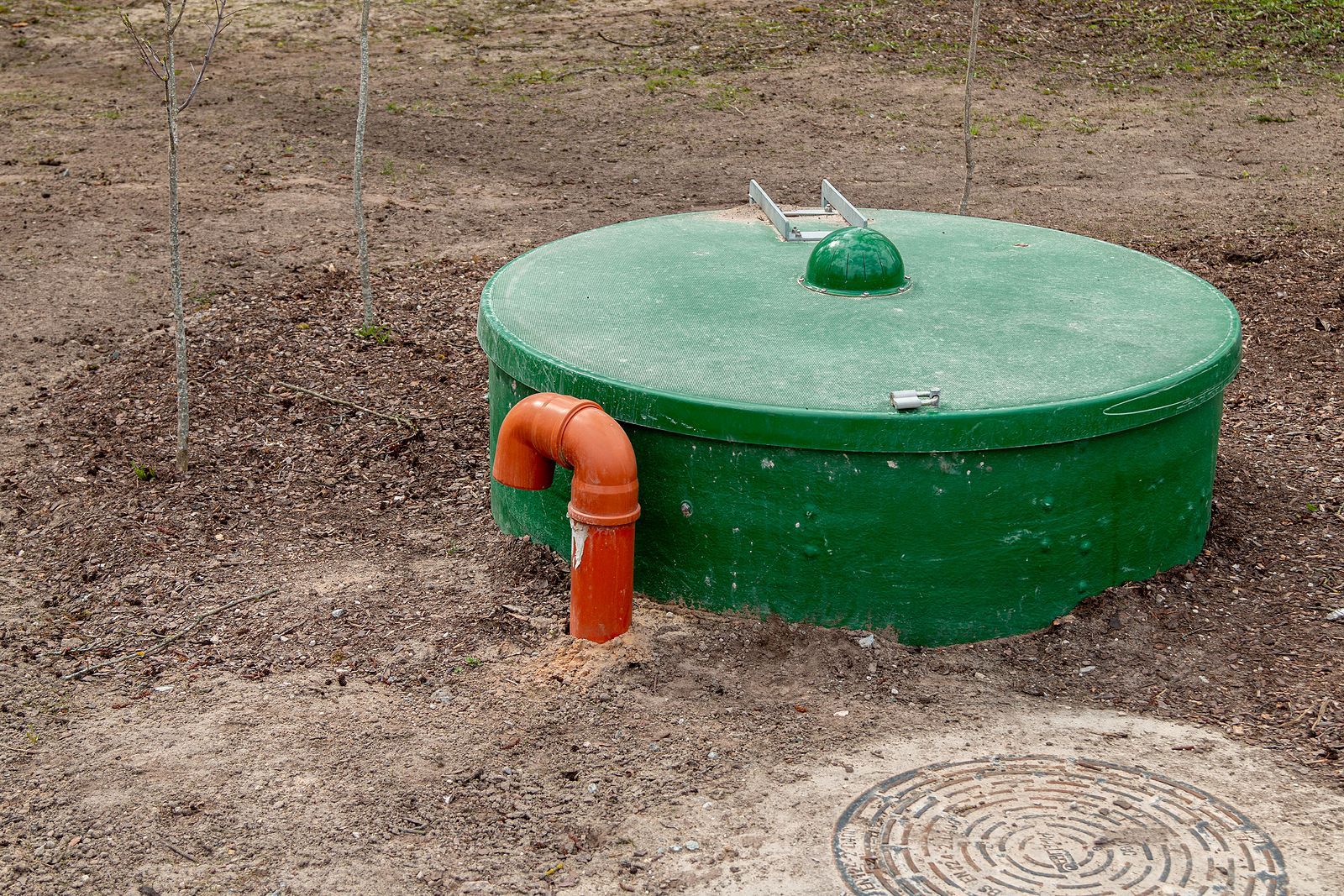
As nature awakens with the arrival of spring, so too does the potential for weather-related challenges, including heavy rainfall. While spring showers bring vitality to the environment, they can also pose risks to septic systems if homeowners aren't vigilant. In this blog post, we'll explore how spring rain can affect septic systems and provide actionable tips to safeguard your system during this season of renewal.


  • Increased Hydraulic Load: Spring rainstorms can significantly increase the hydraulic load on your septic system. The influx of water saturates the soil, reducing its ability to absorb wastewater efficiently. As a result, your septic tank may become overwhelmed, leading to backups, sluggish drainage, or even system failure. Be mindful of prolonged periods of rain and take proactive measures to alleviate the strain on your septic system.
  • Elevated Groundwater Levels: Excessive rainfall can elevate groundwater levels, affecting the performance of your septic system. When the water table rises, it puts pressure on the system's drainage field, impeding the proper disposal of treated effluent. This can lead to surfacing of effluent, foul odors, and potential contamination of nearby water sources. Monitoring groundwater levels and addressing any issues promptly is crucial to maintaining the integrity of your septic system.
  • Soil Saturation and Compaction: Spring rain can cause soil saturation and compaction, particularly in areas with heavy clay or poorly draining soils. Saturated soil impedes the percolation of wastewater from the drain field, leading to backups and system malfunctions. Additionally, heavy equipment or vehicles traversing waterlogged soil can compact the ground, further compromising the performance of your septic system. Minimize traffic on the drain field during wet conditions to prevent soil compaction and ensure proper drainage.
  • Erosion and Surface Runoff: Intense spring rainstorms can trigger erosion and surface runoff, posing risks to the integrity of your septic system. Runoff carrying sediment, debris, and contaminants can infiltrate the soil near the septic tank and drain field, potentially clogging pipes and compromising water quality. Implement erosion control measures such as vegetative buffers, mulching, or grading to mitigate runoff and protect your septic system from environmental harm.
  • Maintenance and Inspection: Spring is an opportune time to assess the condition of your septic system and address any issues exacerbated by seasonal weather patterns. Schedule a professional inspection to evaluate the tank, drain field, and components for signs of damage, leaks, or saturation. Consider pumping the septic tank if it's nearing capacity to prevent overflows during periods of heavy rain. Regular maintenance and timely repairs are essential for ensuring the resilience of your septic system year-round.


While spring rain rejuvenates the landscape, it also presents challenges for septic system owners. By understanding the potential impacts of spring weather on your septic system and implementing proactive measures, you can mitigate risks and preserve the functionality of your wastewater treatment system. Stay vigilant, prioritize maintenance, and take proactive steps to safeguard your septic system against the seasonal fluctuations brought by spring rain.
By Aaron Helmer September 9, 2026
A septic tank is designed to collect and treat wastewater from your home, but it cannot make every solid disappear. Over time, waste accumulates inside the tank and must be professionally removed. Because the tank is underground, homeowners may assume everything is working properly as long as their toilets flush and drains continue flowing. Unfortunately, an overdue septic tank may not show obvious symptoms until accumulated waste begins affecting the rest of the system.  Understanding what happens inside your tank can help you avoid sewage backups, drainfield damage, and unexpected repair costs.
Wet leaves on a black metal septic grate over mossy ground.
By Aaron Helmer September 1, 2026
Prepare your septic system for colder weather with practical fall maintenance tips from Helmer Septic, serving Cary, McHenry County, and nearby Illinois communities.
October 8, 2025
Preparing Your Septic System for Winter in Cary, IL When temperatures drop in Cary, IL, homeowners start thinking about winterizing sprinklers, sealing driveways, and cleaning gutters — but there’s one system that’s often overlooked: your septic system. Cold weather, frozen ground, and heavy snow can cause septic issues that lead to backups, odors, or system failure.At Helmer Septic, we’ve helped countless Illinois homeowners prevent winter septic problems through smart preparation and professional service. If you’ve been searching “septic maintenance near me” or “winter septic prep near you,” here’s what you need to know. 1. Pump Before the Freeze If your tank is close to full, cold weather can make it harder for bacteria to process waste efficiently. The best time to schedule septic tank pumping in Cary, IL is before the first deep freeze. Regular pumping ensures solids don’t build up and prevents system overload during the winter months when the ground is frozen and repairs become difficult. Searching “septic pumping near me” this time of year? Helmer Septic’s local team can get you on the schedule quickly before the cold hits. 2. Insulate Your Septic System A frozen septic line can stop everything in its tracks. Insulating your system — especially around the tank and drainfield area — helps protect it from freezing temperatures. You can use straw, mulch, or a light layer of leaves over the drainfield (without compacting it). Avoid heavy materials or parking vehicles over it, which can compress the soil and block airflow. If you’re not sure how to protect your system, our septic maintenance and repair experts near you in Cary, IL can inspect your setup and give you a winter-readiness plan. 3. Watch for Signs of Freezing Winter septic problems aren’t always dramatic. Here are a few early signs your system may be struggling: Slow-draining sinks or tubs Gurgling sounds from plumbing Foul odors near drains or outside Standing water or frozen ground above your tank If you notice any of these, it’s time to call Helmer Septic in Cary, IL for a professional inspection. We handle septic repairs near me fast — even in cold weather. 4. Schedule Preventive Maintenance The best way to avoid winter issues is through regular septic maintenance near you. Our technicians check baffles, lids, and filters to make sure everything’s sealed tight and working properly before the deep freeze sets in. If you have an aeration system, we’ll make sure your blower and air lines are protected from moisture and ice. A small tune-up now can prevent big problems later. 5. Protect Commercial Septic Systems Too If you own a business in Cary, Crystal Lake, or Algonquin, don’t forget your commercial septic system. Frozen lines or backed-up tanks can shut down your operation in the middle of your busy season. Our commercial septic services near you include inspections, pumping, and maintenance programs tailored for restaurants, offices, and industrial properties — all designed to prevent downtime. Why Winter Prep Matters Cold temperatures can slow down bacterial activity inside your tank, cause pipes to freeze, and even create blockages in the drainfield. Preventive care not only protects your home or business but also saves money — emergency repairs in frozen ground can be costly and time-consuming. By investing in winter septic maintenance now, you’ll enjoy: Fewer unexpected clogs and backups Better year-round performance Longer system lifespan Peace of mind during Cary’s coldest months Schedule Your Winter Septic Service in Cary, IL Winter-proof your septic system before it’s too late. Call Helmer Septic today for septic maintenance, repair, or pumping in Cary, IL , and surrounding communities. We proudly serve Cary, IL , Crystal Lake , Fox River Grove , Algonquin , and all nearby areas with professional, family-trusted service. Visit www.helmerseptic.com or call 224-888-POOP to schedule your winter septic service near me today.
More Posts